
Oil Change vs Full Service
Oil Change vs Full Service: What’s the Difference?
Understanding What Your Car Actually Needs
When it comes to maintaining your car, one of the most common questions is whether you need a simple oil change or a full service. While both are essential, they serve very different purposes.
Choosing the right option at the right time helps keep your vehicle running smoothly, avoids unnecessary costs, and prevents more serious issues from developing.
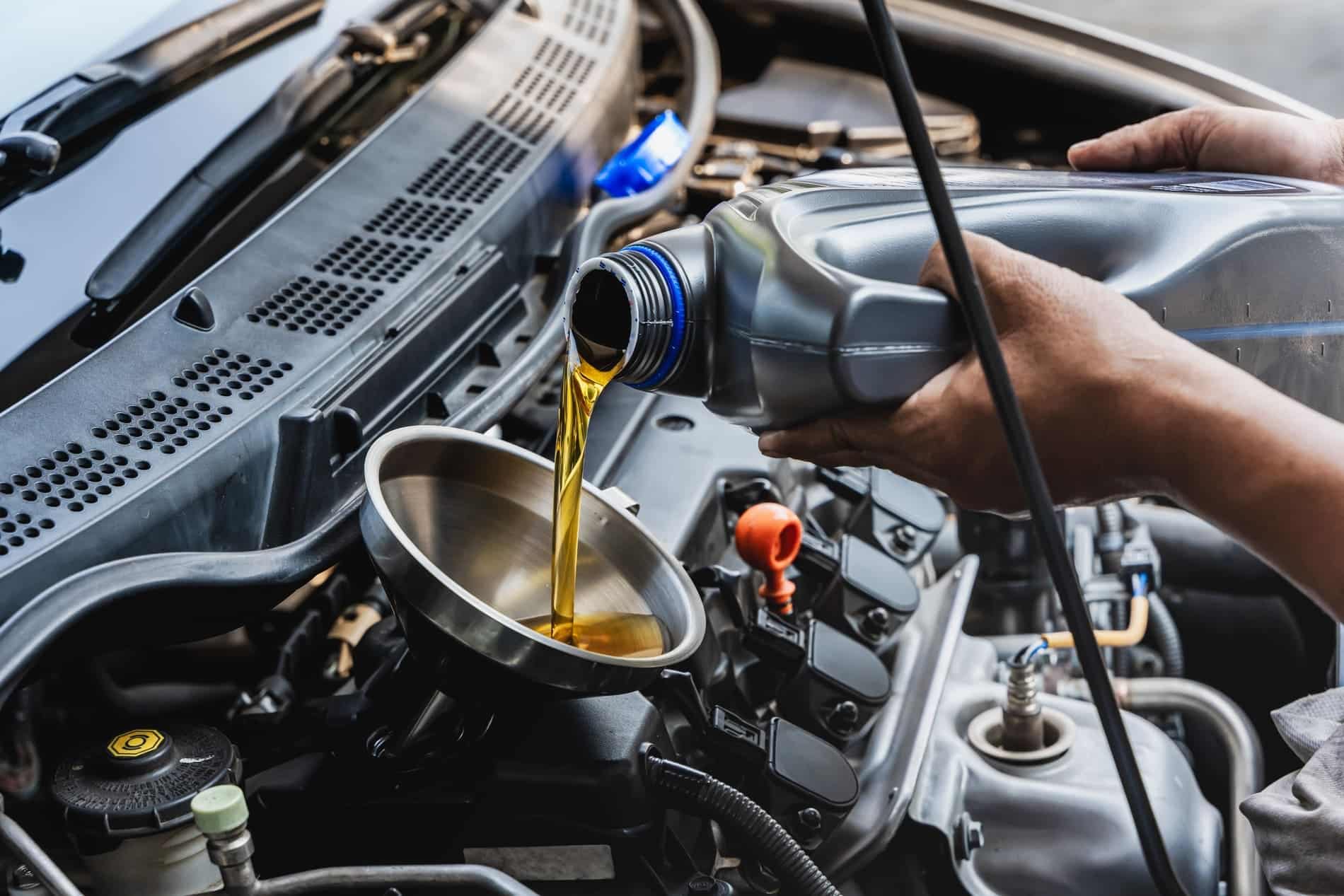
What Is an Oil Change?
An oil change is one of the most basic and important forms of car maintenance. It involves draining the old engine oil and replacing it with fresh oil, along with fitting a new oil filter.
Engine oil is responsible for:
- Lubricating moving parts
- Reducing friction and wear
- Helping regulate engine temperature
- Preventing build-up of dirt and debris
Over time, oil breaks down and becomes less effective. Regular oil changes help protect the engine and maintain performance.
What Is Included in a Full Service?
A full service is a more comprehensive check of your vehicle. It includes an oil change, but also covers a wide range of additional inspections and replacements.
A typical full service may include:
- Engine oil and filter replacement
- Air filter check or replacement
- Brake inspection
- Tyre condition and pressure check
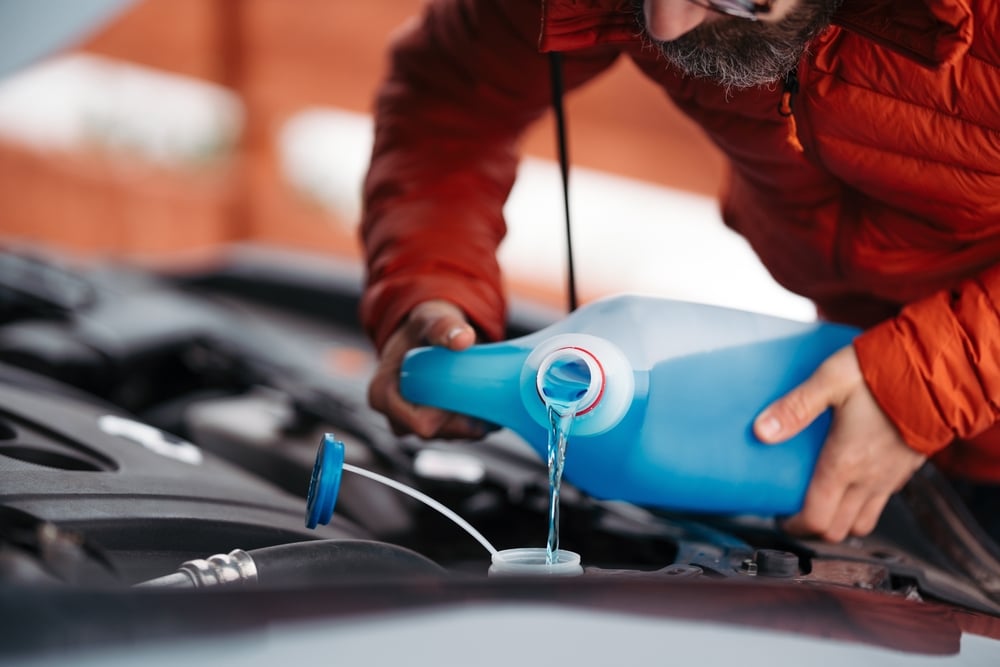
- Fluid level checks (coolant, brake fluid, screen wash)
- Battery condition check
- General vehicle inspection
The aim is to identify wear and potential issues before they develop into larger problems.
Key Differences Between an Oil Change and a Full Service
The main difference comes down to scope.
An oil change:
- Focuses only on engine lubrication
- Is quicker and lower cost
- Is essential between services
A full service:
- Covers multiple vehicle systems
- Takes longer and is more detailed
- Helps prevent future faults
While an oil change maintains the engine, a full service maintains the entire vehicle.

How Often Should You Get Each?
Most drivers will need both, but at different intervals.
Typical guidance:
- Oil change: every 8,000 to 15,000 km (depending on driving habits and vehicle type)
- Full service: once a year or as recommended by the manufacturer
If you do a lot of short trips or city driving, more frequent checks may be needed.
Which One Do You Need Right Now?
If your car is running well but you are approaching your mileage interval, an oil change may be sufficient in the short term.
However, you should consider a full service if:
- It has been over a year since your last service
- You are noticing reduced performance
- Warning lights have appeared
- You are planning long journeys
A full service provides a more complete picture of your car’s condition.
Why Skipping a Full Service Can Cost More
Relying on oil changes alone can lead to missed issues elsewhere in the vehicle.
For example:
- Worn brake components may go unnoticed
- Tyre wear can become unsafe
- Fluid levels may drop below safe limits
Catching these early during a full service is usually far more cost-effective than dealing with repairs later.
Car Servicing in Dublin and Bray
Sweeney’s Garage offers both oil changes and full servicing across multiple locations, making it easier for drivers to access reliable vehicle care.
With garages in Dublin and a new location in Bray, Co. Wicklow, customers can choose a convenient location while receiving the same consistent level of service. Each vehicle is checked thoroughly, with clear advice provided on what is needed and when.
Book the Right Service for Your Car
Understanding the difference between an oil change and a full service helps you make better decisions about your vehicle maintenance.
If you are unsure which option is right for you, a quick inspection can point you in the right direction. Booking the correct service at the right time keeps your car running efficiently and helps avoid unnecessary costs.