
Timing Belt (Cambelt) Replacement: When & Why It Matters
The timing belt, or cambelt, is one of the most important parts of your engine, and also one of the most overlooked. Unlike brakes or tyres, you can’t see it wearing out, but if it fails the damage can be catastrophic. Here’s when to replace it, the warning signs to watch for, and why it’s never worth the gamble.
What Does a Timing Belt Do?
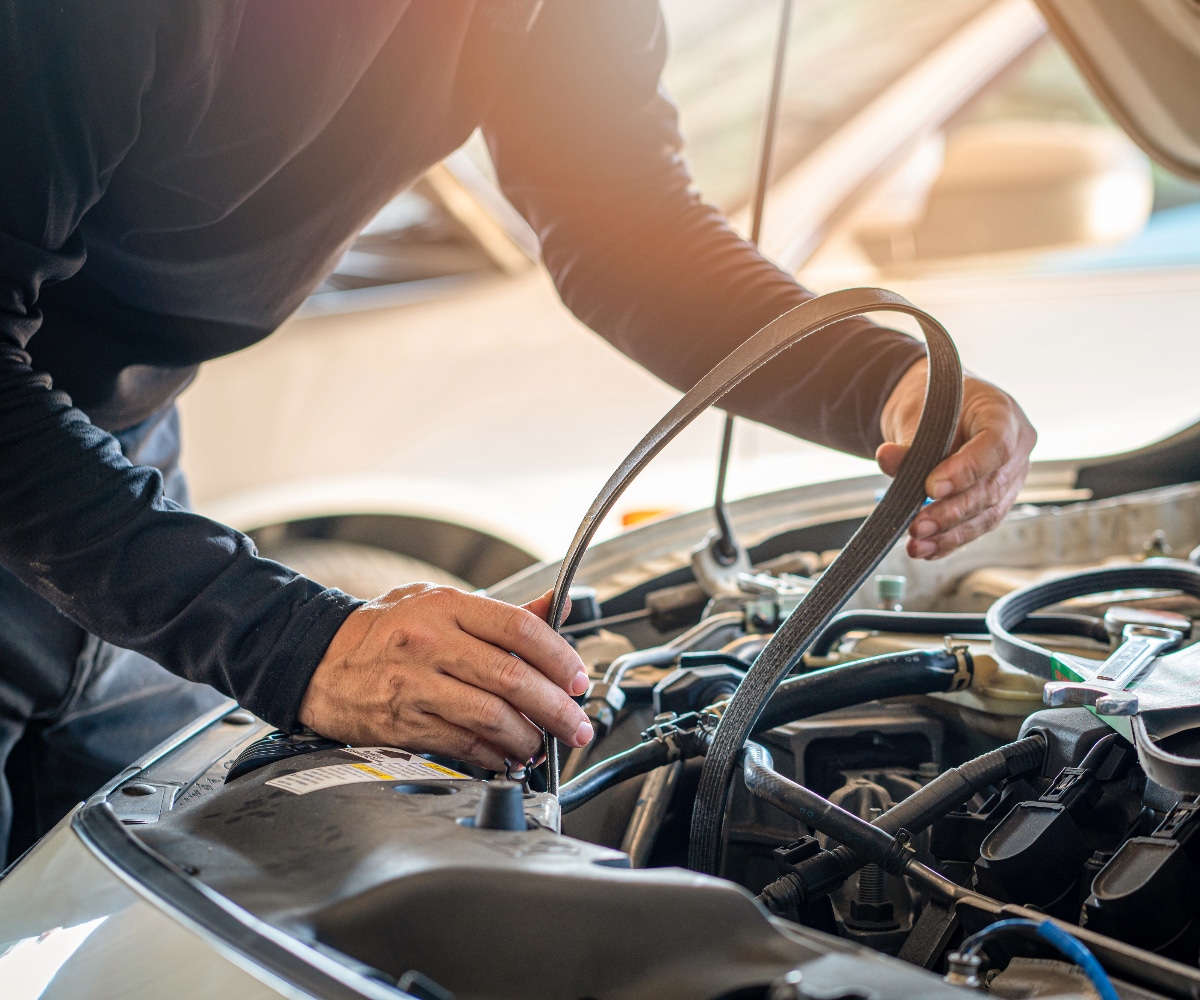
The timing belt keeps your engine’s crankshaft and camshaft turning in perfect sync, so the valves and pistons move at exactly the right moments. In most modern engines it’s a rubber-toothed belt that runs quietly under a cover, doing a critical job every second the engine runs.
When Should You Replace a Timing Belt?
Most manufacturers specify replacement at a set mileage or time interval, commonly somewhere between 60,000 and 100,000 km, or every 5 to 7 years, whichever comes first. The exact figure varies by make and model, so always check your handbook or ask a technician.
Time matters as much as mileage: rubber degrades with age, so a low-mileage car that’s several years old can still need a new belt. If you’ve bought a used car and don’t know its history, it’s worth having the belt checked.
Warning Signs of a Failing Timing Belt
A timing belt can fail with little warning, but possible signs include:
- A ticking or rattling noise from the front of the engine.
- Difficulty starting or the engine not turning over properly.
- An engine misfire or rough running.
- Visible cracks or fraying if the belt is inspected.
If you notice any of these, get it checked promptly, our diagnostics team can assess the belt and related components.
Why You Shouldn't Delay
This is the part that matters most. In many engines (known as “interference” engines), if the timing belt snaps while driving, the pistons and valves collide. The result can be bent valves, damaged pistons and, in the worst cases, a destroyed engine, a repair bill many times higher than the cost of a routine belt change.
Put simply: replacing a timing belt on schedule is cheap insurance against one of the most expensive failures a car can suffer.
What's Involved (and the Water Pump Tip)
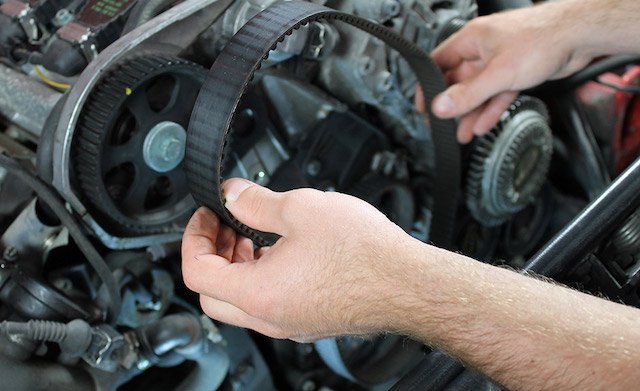
Replacing a timing belt is a skilled job that involves removing covers and ancillary parts to access it. Because the water pump is often driven by the same belt and sits in the same area, many garages recommend replacing it at the same time, it saves on labour later and avoids a second big job. We carry this out as part of our wider engine and gearbox work, backed by quality parts and a 12-month guarantee on parts and labour.
FAQ
How much does timing belt replacement cost?
It varies by make, model and whether the water pump is done at the same time. We’ll give you a transparent quote before any work begins, contact us for a price.
Does every car have a timing belt?
No, some engines use a timing chain, which generally lasts much longer. A technician can tell you which your car has.
Can I keep driving if it's overdue?
It’s risky. An overdue belt can fail at any time, so we’d strongly recommend having it replaced as soon as possible.
Final Thoughts
Your timing belt is out of sight, but it should never be out of mind. Replacing it on schedule protects your engine and your wallet. If you’re unsure when yours is due, the team at Sweeney’s Garage can check it and advise.
Book Online or call your nearest Dublin or Bray branch.