
Engine Management Light On? What It Means and What to Do
The engine management light is the one most drivers dread, mostly because it tells you almost nothing on its own. It’s an orange engine-shaped symbol, it stays on, and the car often feels exactly the same as it did yesterday. Here’s what it actually means, when you need to stop, and why guessing is the expensive way to deal with it.
What the engine management light actually is
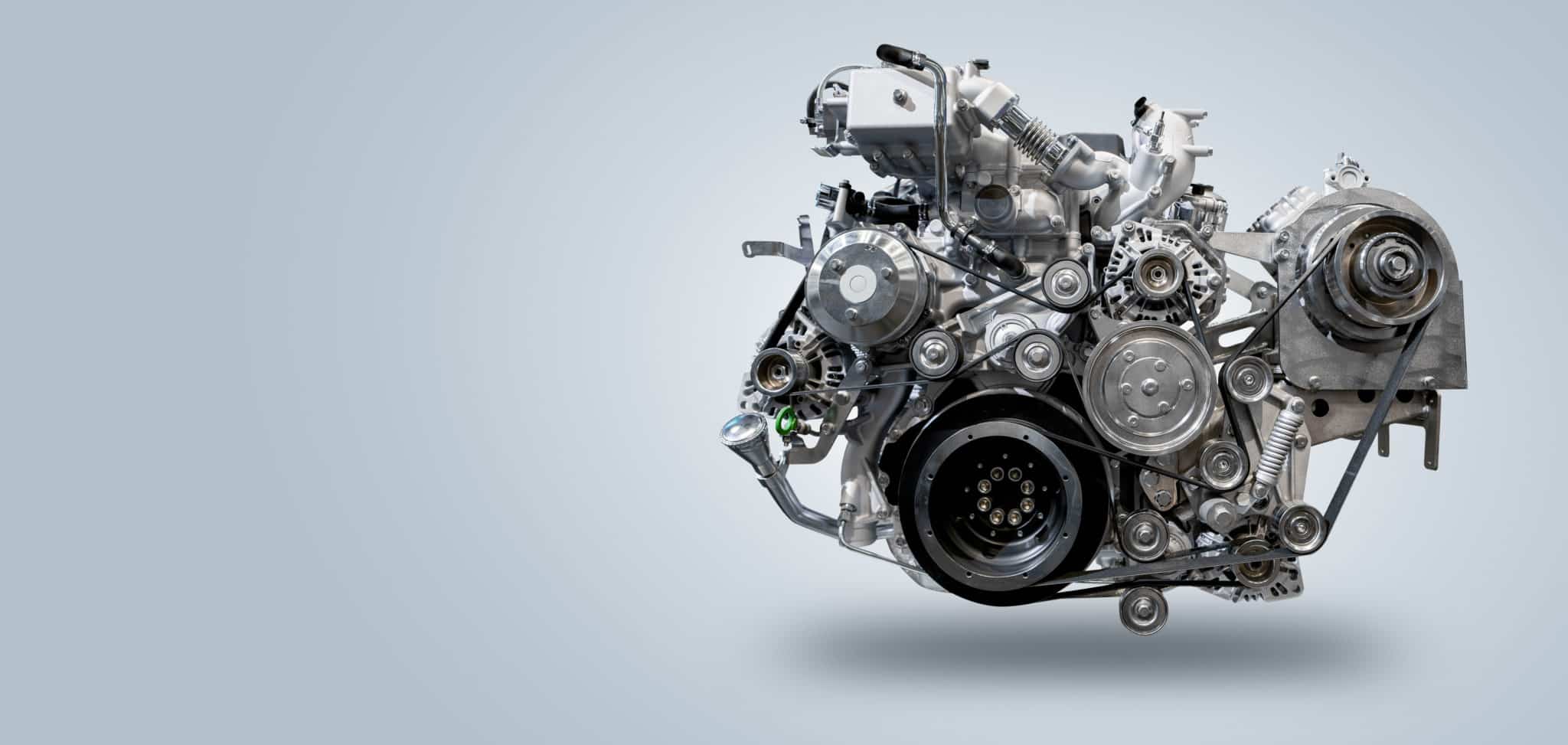
Your car’s engine control unit (ECU) is constantly reading dozens of sensors: oxygen levels in the exhaust, air flow, fuel pressure, coolant temperature, misfires, emissions. When one of those readings falls outside the range the ECU expects, it stores a fault code and switches on the engine management light (also called the check engine light or the EML).
The light doesn’t tell you what’s wrong. It tells you that something has been logged. The only way to know what is to read the fault code with a diagnostic tool.
Steady light vs flashing light
This is the one thing worth remembering:
Steady orange light: a fault has been detected but it’s not an emergency. The car is usually safe to drive normally for a short while. Get it checked soon, not in three months.
Flashing light: the engine is misfiring badly enough to damage the catalytic converter. Pull over when it’s safe, switch off, and don’t keep driving. A catalytic converter is a €600 to €1,500 part; a tow is cheaper.
If the light is red, or it’s on alongside an oil pressure or temperature warning, stop the car.
The most common causes we see
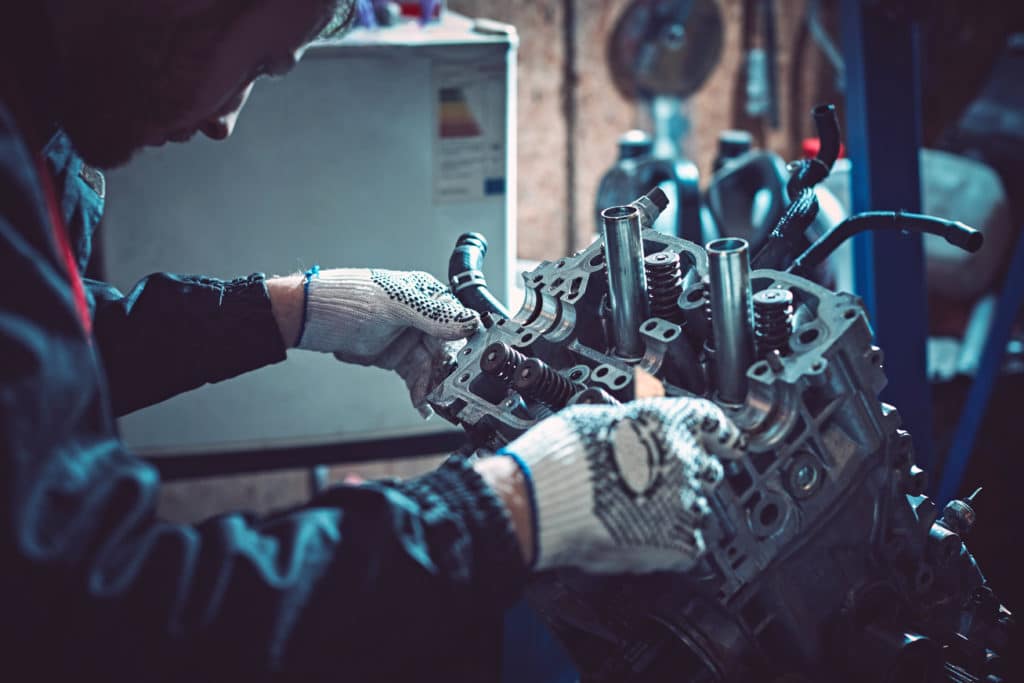
Most engine management lights come down to a short list:
A loose or faulty fuel cap. Sounds daft, but a cap that isn’t sealing triggers an evaporative emissions fault. Check it first.
Oxygen (lambda) sensor. Measures how much unburnt fuel is in the exhaust. When it goes, fuel economy drops and emissions rise. Very common on cars over 100,000 km.
Ignition coil or spark plugs. Causes misfires: a rough idle, hesitation, and often the flashing light.
Mass air flow (MAF) sensor. Dirty or failing, it confuses the fuelling. Symptoms are poor running and poor economy.
EGR valve. Carbon builds up and the valve sticks. Extremely common on diesels that do a lot of short urban runs.
DPF (diesel particulate filter). On diesels, a blocked DPF will often bring on the engine light along with its own warning. Lots of short trips around Dublin without a decent motorway run is the usual cause.
Catalytic converter. Usually the result of ignoring one of the problems above for too long.
Thermostat or coolant temperature sensor. The engine never reaches proper operating temperature, or the ECU thinks it hasn’t.
Why you shouldn’t just clear it
Plenty of people buy a cheap code reader, clear the light and carry on. The problem is that the fault is still there; you’ve just switched off the warning. The light comes back, and in the meantime you may be burning extra fuel, damaging the catalytic converter, or heading for a bigger repair.
A proper diagnostic does more than read the code. The code tells you which system complained; it doesn’t tell you why. A lambda sensor code can be a dead sensor, a wiring fault, an exhaust leak or a fuelling problem upstream. Replacing parts on the strength of a code alone is how people end up spending €300 on a sensor that was never the issue.

Will it fail the NCT?
Yes. An illuminated engine management light is a fail item on the NCT. If your test is coming up, get the light sorted first. It’s one of the most common reasons for a failed test and an unnecessary retest fee.

What to do when it comes on
- Note how the car is behaving. Rough idle, loss of power, strange noises, smell of fuel? That all helps the diagnosis.
- Check the fuel cap is tight.
- If the light is flashing, stop driving.
- If it’s steady, book a diagnostic in the next few days. Don’t wait for it to go away. It very rarely does.
Engine diagnostics at Sweeney’s Garage
We run full diagnostics at all four garages in Ballyfermot, Dublin City Centre, Finglas and Bray, using proper manufacturer-level equipment, not a plug-in code reader. We read the code, test the system it points to, find the actual cause and give you a clear price to fix it before we touch anything.
Light on? Book a diagnostic or call your nearest Sweeney’s Garage.